
Enacting washroom equality
At phs Group, we believe in equality and inclusion in the washroom. As the leading hygiene services provider in the UK, Ireland, and Spain, we have the responsibility to encourage lasting change.
Historically, male washrooms have lacked amenities, especially considering the disposal of hygiene waste, such as incontinence products. Washroom vending machines have also traditionally lacked much-needed male incontinence products, including male incontinence pads, letting men down in a time of need.
We understand that these products are essential, and we’re driven to provide facilities that enable all men to dispose of their incontinence waste, sustainably and with dignity.
Creating lasting change
Our commitment to this cause is strengthened by our ongoing partnership with Prostate Cancer UK. Together, we launched the Dispose with Dignity to create BOG STANDARD washrooms for men living with incontinence. The aim is to reduce the stigma associated with male incontinence and wider men's health urinary issues. Between this and Prostate Cancer’s Boys Need Bins campaign, we’re driving awareness, providing guidance, and offering a dignified disposal solution in the washroom.
Prostate Cancer UK is the leading charity for men's health in the UK, with a deep understanding of the challenges men encounter during and post-prostate cancer treatment. These challenges may include the aftermath of a prostatectomy or other treatments, like radiotherapy, which are leading causes of male incontinence.
Our partnership ensures that everything we do is informed by the lived experiences of those affected by prostate cancer, incontinence, and urinary problems in older men. Together, we will create a world where men’s lives are not limited by urinary incontinence.

Learn more about Dispose with Dignity
The issue facing men when outside of their homes
Making matchdays more accessible
Part of our wider BOG STANDARD campaign, Back in the Game focuses on improving facilities in sports venues and raising awareness of the challenges many men face. When clubs sign up to BOG STANDARD, they're helping more supporters get Back in the Game.
This year, the campaign featured twice on ITV's Good Morning Britain, with prostate cancer survivors Errol McKellar, Brian Horton and Joe Appiah, alongside Prostate Cancer UK, sharing their experiences and highlighting the difference dedicated incontinence bins can make. Their message was simple: small changes can be life-changing.
The coverage has helped raise awareness across the sporting world, with Hull City AFC, Manchester United and many other clubs signing up to BOG STANDARD and installing incontinence bins to make matchdays more inclusive.
The feedback has been fantastic, with men telling us they feel more confident attending games and events knowing the right facilities are available.
Small cost. Big impact.

Watch our first segment on GMB


What is BOG STANDARD?
Through our partnership with Prostate Cancer UK, we’ve helped raise awareness and increased the number of washrooms that offer sanitary products across the UK.

What you can do to help
Whether you're a bar or restaurant serving customers, or a commercial office building welcoming clients and employees, there are things you can start doing today to make a real difference.
Install dedicated male incontinence bins
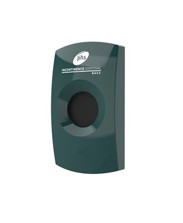
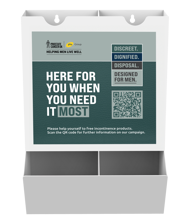
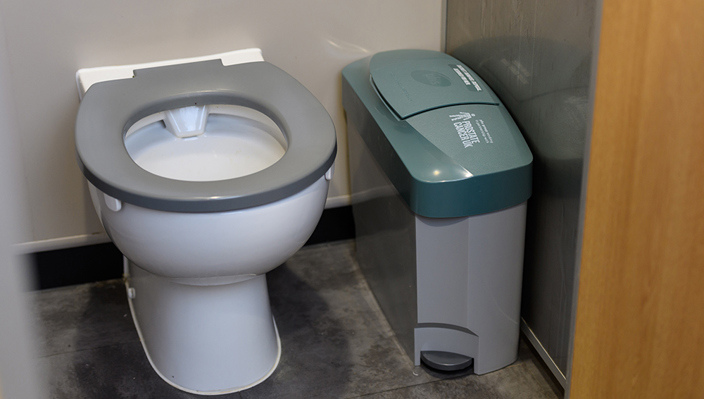
Men need their own separate provision. Having incontinence bins, and a waste disposal service means pads can be hygienically and safely disposed of with dignity. It will also save you from blocked toilets and further repair costs caused by flushed pads.
Stock incontinence products in washrooms
Alongside bins, having products on hand helps men who run out unexpectedly while away from home.
Make facilities visible and easy to find
40% of men didn't know, or didn't know how to check, whether a venue had suitable facilities. Clear signage or information online removes that uncertainty before they even arrive.
Train staff to handle the subject sensitively.
A discreet, respectful approach from staff helps reduce the embarrassment many men feel when asking about facilities
Support the wider conversation
Backing awareness campaigns, or simply talking openly about the issue internally, helps break the taboo. 7 in 10 men said they'd be more likely to use a business that visibly supported this.
Review facilities regularly and act on feedback
Check bins are serviced and stocked often enough, and give customers or staff a simple way to flag if something's missing or not working. Ongoing upkeep matters as much as the initial installation.
Male incontinence and prostate cancer in numbers



Why should you support Dispose with Dignity?
By implementing measures to create equality in washrooms for men, you can make significant strides towards fostering a more inclusive, supportive, and dignified society.
When you partner with phs, you can also be confident that your waste is being disposed of responsibly and sustainably thanks to our LifeCycle Strategy.
Supporting Men’s Health
Providing incontinence provisions in male washrooms demonstrates your commitment to supporting men’s health by offering tangible support during vulnerable times in their lives.
Sustainability
At phs, we’re tackling the taboo and protecting the environment. Implementing disposal bins for incontinence not only addresses hygiene needs but also contributes to sustainability efforts. Up to 95% of the waste we collect is diverted away from landfill.
Social Value
Organisations that support male incontinence provisions showcase their dedication to social responsibility, their commitment to doing the right thing, and support for the well-being of men in our society.
Facilitating Daily Life
Access to incontinence disposal bins in public and a workplace settings allows men to live their lives more comfortably and with less worry. In turn, this supports their ability to participate fully in social and professional environments.
Aiding in Confidence
Dealing with incontinence and bladder control issues in men can present many challenges, from inadequate disposal facilities when out and about to a lack of access to MI products in public spaces, and embarrassment of having to navigate daily life.
Reducing Stigma and Promoting Dignity
Offering incontinence provisions plays a crucial role in breaking down the stigma associated with male incontinence. It sends a powerful message that men's health urinary issues are recognised and respected, promoting dignity in the washroom.



phs Male Incontinence Bin Map
To support men in managing incontinence with greater ease and confidence when out and about, we've created a comprehensive bin map that is regularly updated to show the locations of phs Male Incontinence Bins.
Map not loading? Open the map in a new tab
The map employs Bronze and Gold markers to denote washrooms with that have signed up as part of our BOG STANDARD initiative. This essential resource assists men in managing incontinence with dignity, reducing related stress.
UK regulations and compliance for male hygiene waste
While providing adequate disposal facilities for male incontinence pads is a matter of social responsibility, did you know that it’s also tied to UK legislation regarding health and safety and environmental protection?
To ensure your business is meeting its duty of care, consider the following legislative frameworks:
The Workplace (Health, Safety and Welfare) Regulations 1992
This legislation requires employers to provide suitable and sufficient sanitary conveniences in readily accessible places. While the interpretation of this has previously been limited, modern standards of suitability now encompass a broader range of needs, including incontinence support.
Environmental Protection Act 1990
Under this act, businesses have a legal duty of care to ensure all controlled waste produced on their premises is managed, stored, and disposed of correctly. Incontinence waste is considered a controlled waste stream and must therefore be handled by a licensed provider to avoid legal penalties.
The Water Industry Act 1991
This Act prohibits the disposal of items into the sewerage system that could interfere with the flow of wastewater or cause a blockage. Providing dedicated bins is the most effective way to prevent people from flushing male incontinence pads or other incontinence products, protecting your plumbing as well as the environment.












View our Male Incontinence resource hub
The Water Industry Act 1991 makes it illegal to dispose of sanitary products by flushing into the sewerage system. A male incontinence bin and a waste collection service is the best way to manage this.
While the Workplace (Health, Safety and Welfare) Regulations 1992 don’t explicitly list male incontinence bins in their legislation, they do mandate suitable and sufficient facilities.
Given the prevalence of incontinence as a condition and the duty of care to provide a safe, dignified environment, many legal experts do now consider these bins essential for true compliance.
While the mechanical function is similar, male incontinence bins are specifically branded and positioned to be inclusive for men.
They’re typically larger to accommodate the different sizes of male incontinence pads and other male incontinence products, and are placed in male cubicles to address the specific social stigma and privacy requirements of male incontinence.
Providing these facilities demonstrates a commitment to health equality as well as employee/customer well-being.
It shows that your organisation values diversity and is proactive in supporting employees with hidden disabilities or long-term health conditions as an inclusive business.
We recommend a top-down communication approach that focuses on your organisation’s commitment to wellbeing and inclusion. You can download the Dispose with Dignity whitepaper from our resource hub to share the rationale with your team.
Placing the bins in your cubicles with a small, professional notice to staff is often enough to signal support without making anyone feel singled out.
The necessary frequency of service will depend on the footfall of your building. At phs, we offer flexible service schedules, ranging from weekly to monthly collections, ensuring your bins never reach capacity and your washrooms remain odour-free.