We’ve updated sign‑in for customers with an online account. Account holders may see a quick, one‑off setup step.

Compliant and legal clinical waste management
phs delivers a fully compliant clinical waste management solution designed around your organisation’s needs. Whether you operate in primary care, acute settings, or community healthcare, we make it simple to stay compliant with HTM 07‑01 guidance while keeping your teams focused on patient care.
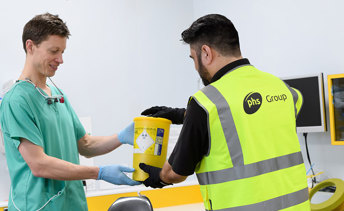
As a trusted NHS supplier, phs provide you with everything you need for safe and compliant disposal, including UN‑approved clinical waste containers and bags with colour‑coding that aligns fully with HTM 07‑01 guidance for clinical waste. Our trained technicians manage scheduled collections and ensure all waste is transported and processed through appropriate, legally compliant disposal routes.
With expert support from our compliance specialists, we help you stay on top of legislation, CQC expectations, duty of care requirements and pre‑acceptance audits.
With phs, you get a complete, worry‑free service that protects your staff, your patients and your compliance.
How our clinical waste management service works
We can advise you on the right waste solution using the information you provide and, where required, complete a site survey before agreeing a collection schedule that works for your organisation
Getting started with phs is simple. Our specialists will help identify the right waste solution for your organisation and ensure your clinical waste is managed safely, compliantly, and efficiently.
1. Contact us & site assessment
A clinical waste specialist will discuss your requirements, waste types, location and collection needs. We review the types and volumes of waste you produce and, where required, carry out site surveys to recommend the most suitable processes and products.
2. Containers and documentation
We provide the appropriate colour-coded bags, bins, and sharps containers for your waste streams, along with all required documentation to help maintain compliance.
3. Scheduled collections
Our trained and DBS-checked, uniformed drivers collect your waste according to an agreed schedule, ensuring a reliable and uninterrupted service.
4. Safe & compliant disposal
Your clinical waste is transported to licensed treatment facilities and processed in accordance with current regulations. Disposal records are available through your Myphs portal for complete audit traceability.
What is clinical waste?
Clinical waste is waste arising from healthcare activities that requires management and disposal to protect human health and the environment.
Under HTM 07-01, this includes infectious waste, anatomical waste, sharps, medicinal waste and certain offensive waste streams generated during the diagnosis, treatment or care of humans or animals.
Under the Controlled Waste Regulations 2012 and the Hazardous Waste Regulations 2005, organisations that produce healthcare waste have a legal duty of care to ensure it is correctly segregated, stored, transported and disposed of through appropriately authorised waste management services.

Clinical waste categories
Clinical waste is classified by it's source, composition and hazardous properties. Colour-coded containers support correct segregation helping organisations comply with HTM 07-01 guidance and waste legislation while ensuring appropriate treatment and disposal. and disposal.
Understanding these categories helps your team stay compliant. Here's some of the most common bags and containers:
Infectious waste (Orange bags)
Infectious waste arising from healthcare activities that is contaminated with blood, body fluids or other infectious material, but not medicinal products, chemicals or cytotoxic/cytostatic medicines.
Examples include dressings, swabs, gloves, PPE and other items used in patient care.
This waste stream is typically treated using approved alternative treatment technologies prior to final disposal, with incineration used where appropriate.

Infectious waste (Yellow bags)
Infectious waste arising from healthcare activities that is contaminated with medicinal products, or waste requiring disposal by incineration in accordance with HTM 07-01 guidance.
Examples include dressings, swabs, gloves, PPE and other items contaminated with blood, body fluids and non-cytotoxic/non-cytostatic medicines.
This waste stream cannot be treated using alternative treatment technologies and is sent for incineration prior to final disposal.

Offensive waste (Tiger Stripe Bags)
The offensive waste stream is suitable for healthcare waste contaminated with blood or body fluids where an infection risk assessment has determined the waste is not infectious.
Examples of offensive healthcare waste include non-infectious dressings and swabs, disposable PPE not contaminated with infectious material, and hygiene waste arising from treatment and care activities
Although offensive waste is not classified as infectious, it must be correctly segregated and managed through an appropriate disposal route to ensure compliance with healthcare waste legislation and HTM 07-01 guidance.
The offensive waste stream helps healthcare organisations improve segregation, reduce unnecessary incineration and support more sustainable waste management practices.

Sharps disposal
Sharps are items capable of cutting or puncturing the skin and include needles, syringes, lancets, scalpels and other sharp medical instruments used during patient care.
All sharps must be assessed, segregated correctly and disposed of in the appropriate sharp container.
Yellow lidded sharps bins
Yellow sharps bins are for sharps contaminated with non-hazardous pharmaceuticals, for example administering medication (excluding cytotoxic or cytostatic medicine).
They’re commonly used in hospitals, clinics, care homes and non-healthcare environments.
Yellow-lidded sharps bins must comply with current healthcare waste standards, including ISO 23907-1 and should be securely closed and labelled once the fill line is reached before collection and disposal.

Orange lidded sharps bins
Orange-lidded sharps bins are for sharps that have not been contaminated with medicinal products.
This waste stream is commonly used for sharps arising from blood sampling, diagnostic procedures and other patient care activities where no medicinal product is present. Following treatment, the waste may then be disposed of through the appropriate final disposal route.
Containers must comply with current healthcare waste standards, including ISO 23907-1, and should be securely closed and labelled once the fill line is reached before collection and disposal.

Cytotoxic waste (Purple lid)
Used for waste contaminated by cytotoxic or cytostatic medicines (commonly used in chemotherapy).
Cytotoxic drugs (sometimes known as antineoplastics) describe a group of medicines that contain chemicals which are toxic to cells, preventing their replication or growth.
Cytostatic waste is a hazardous medicine that is mainly used in cancer treatment and chemotherapy. Waste types include contaminated sharps and materials.
This waste stream requires specialist high-temperature incineration.

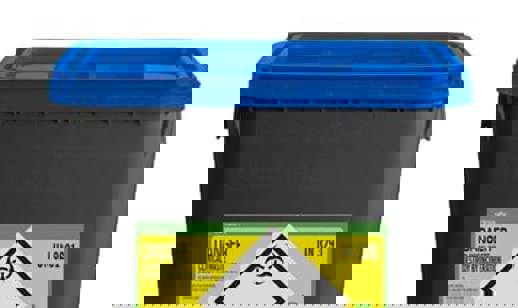
Non-hazardous pharmaceutical waste (Blue lidded container)
Non-hazardous pharmaceutical waste arising from healthcare activities which includes expired, partially used or no longer required medication, but are not classified as hazardous, cytotoxic or cytostatic.
Examples include counter stock, tablets, capsules, creams, ointments, liquids and inhalers containing non-hazardous medicines.
Disposal through an authorised pharmaceutical waste service.


Who needs clinical waste collection?
Any premises that generates waste capable of causing infection or injury needs a compliant clinical waste service. Some of our main clients are:


Compliant & Certified
Our services adhere to all relevant legal healthcare waste guidelines and current government regulations, giving you peace of mind.
Sustainable Disposal
Through our LifeCycle Strategy, 95% of all hygiene waste is diverted from landfill and sent to Energy Recovery Facilities (ERFs) by our partnerships with Energy-from-Waste (EfW) networks. Our bins are also made from up to 100% recycled materials.
Trusted by Thousands
With over 7,000 reviews and a 4.8 ‘Excellent’ Trustpilot rating, and over 120,000 customers nationwide including hundreds of NHS trusts, phs is a proven partner in hygiene and waste management.
Nationwide Service with Local Trained Experts
Our transport and collection hubs are nationwide meaning a friendly local workforce with the experience and support of a national company. Our drivers are all ADR certified with regular training so they stay up to date with changing regulations.
Resources and Training
We offer a free CPD accredited online learning courses and resources. This includes access to our online E-Learning modules to aid with waste segregation and ensuring you comply. We can also give you face-to-face on-site training if needed.
Flexible Collection Frequencies
We offer a tailored flexible solution based on your needs. From scheduled weekly, fortnightly or monthly collections to adhoc services. Waste is collected at a schedule that suits your business needs, ensuring minimal disruption.
We’re really proud to have joined forces with phs. Our priority at our Barchester Healthcare homes is to provide the residents we care for with comfortable, living spaces, and having a reliable waste removal supplier is a key aspect of this.

Case Study: Clinical waste disposal at Barchester Care Homes
The Care Quality Commission (CQC) sets strict guidelines for clinical waste management in the UK. Key requirements include:
-
Segregation
-
Having the correct storage bins, colour coded and labelled
-
Safe and secure transportation
-
Proper disposal
Facilities must have clear policies in place, provide staff training, conduct regular audits to ensure compliance. Failure to meet these requirements can result in fines or even closure of the facility. It's essential to follow CQC regulations closely to maintain a safe and hygienic environment for both staff and patients.
Clinical waste must be segregated at the point of generation using a colour-coded system to prevent cross-contamination and ensure safe disposal. Signage should be clear at disposal points. Here's a breakdown:
-
Orange Bags: Non-infectious waste contaminated with bodily fluids (e.g. gloves, masks).
-
Yellow Bags/Bins: Infectious waste requiring incineration (e.g. dressings from infectious patients).
-
Purple Bags/Bins: Cytotoxic/cytostatic waste (e.g. chemotherapy-related items).
-
Tiger Bags (Yellow & Black Striped): Offensive hygiene waste (e.g. nappies, incontinence pads).
-
Blue Bins: Non-hazardous pharmaceutical waste (e.g. expired medicines).
-
Red-Lidded Sharps Bins: Sharps contaminated with bodily fluids (e.g. needles, scalpels).
Storage durations vary by waste type and conditions:
Offensive waste:
-
Up to 7 days if stored outside
-
Up to 14 days if stored inside a building
Infectious waste and refrigerated anatomical waste: Up to 14 days.
Unrefrigerated anatomical waste: Up to 24 hours, or 72 hours if over a weekend.
Cytotoxic/cytostatic drugs, pharmaceuticals, chemicals: Up to 6 months.
There is no fixed frequency, but collection should be:
-
Frequent enough to prevent overflow and ensure compliance with storage time limits.
-
Tailored to the volume and type of waste your facility generates.
-
Aligned with CQC standards, which expect timely disposal to avoid health risks and regulatory breaches.
Most facilities arrange weekly or bi-weekly collections, but high-volume sites may require daily pickups. We can help you determine a schedule when you make an enquiry and get a quote.
Yes we can help you with one off clinical waste disposal. Our service can suit any frequency of collections, including ad hoc or emergency requests.
Healthcare waste producers must now label each waste container with their business name, postcode, the collector, and the date the waste was placed out. Unlabelled waste will no longer be collected, except for offensive waste which remains exempt. To read more on this visit our guide outlining more information on changes to EPR 5.07 legislation.
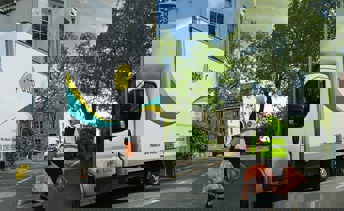
We use specialist, purpose-built clinical waste transport vehicles with fully trained staff wearing the correct PPE where needed.
Our staff will handle everything on the day. You’ll be provided with new bins and all the relevant paperwork, which is then uploaded to your Myphs portal.
There’s no set price as every client is different and our service is bespoke to each customer. The best way to get a price is to get in touch for a quote.