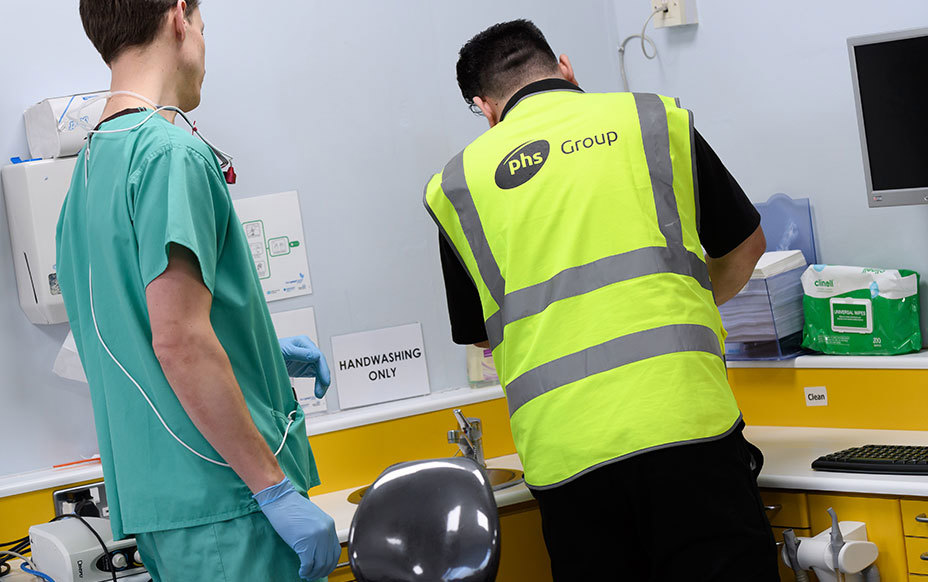
Compliant and legal healthcare waste disposal
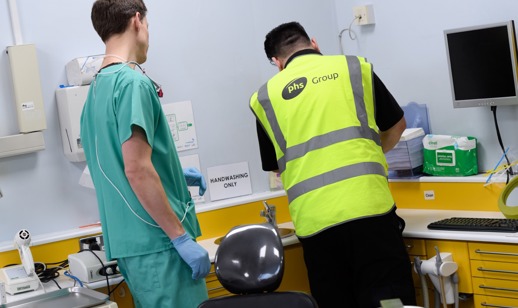
phs delivers a fully compliant healthcare waste solution designed around your organisation’s needs. Whether you're a hospital, dentist, funeral home, GP or private clinic, we make it simple to stay compliant with HTM 07‑01 guidance while keeping your teams focused on patient care.
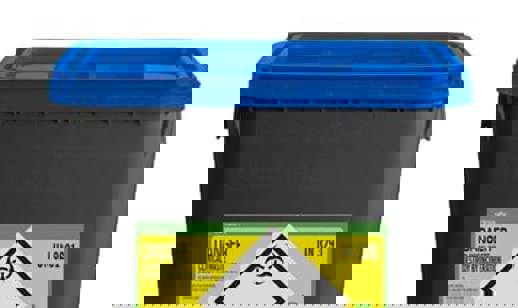
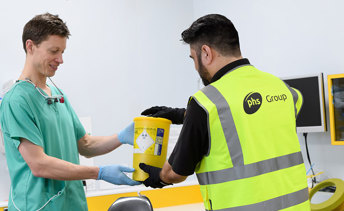
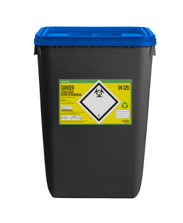
As a trusted NHS supplier, we provide you with everything you need for safe and compliant disposal, including UN‑approved waste containers and bags with colour‑coding that aligns fully with HTM 07‑01 guidance for healthcare waste. Our trained technicians manage scheduled collections and ensure all waste is transported and processed through appropriate, legally compliant disposal routes.
With expert support from our compliance specialists, we help you stay on top of legislation, CQC expectations, duty of care requirements and pre‑acceptance audits.
With phs, you get a complete, worry‑free healthcare waste management and disposal service that protects your staff, your patients and your compliance.
What is healthcare waste?
Healthcare waste is any waste produced as a result of medical, dental, nursing or veterinary activity. It's often contaminated with bodily fluids that arise from healthcare procedures.
Healthcare waste includes offensive waste, medicines, sharps and infectious or clinical waste. Each has its own colour-coded stream and legal segregation and disposal route, so your team needs to know which is which at the point of use.
Infectious, sharps or clinical waste may be hazardous to those who come into contact with it due to the risk of infection or potential hazardous contamination, and is subject to strict controls.
Examples include:
Clinical waste has been contaminated with blood or other bodily fluids, or poses an infection risk. It includes dressings, gloves, aprons and other items used in patient care.
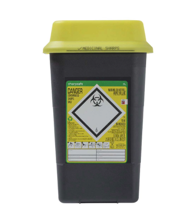
Needles, lancets, syringes and other sharp items that could cause a puncture injury. These need to go into a rigid, colour-coded sharps bin, not a bag. The bin colour indicates what the sharps have been used with, so correct segregation is extremely important.
Out-of-date, unused or contaminated medicines and drugs. This includes both controlled and non-controlled substances, each with its own disposal requirements. Flushing medicines or putting them in general waste is not legally compliant.
Cytotoxic and cytostatic waste, such as chemotherapy drugs and contaminated items like gloves and syringes used in their preparation or administration, falls within this category but has stricter handling requirements. It must be stored in purple-lidded containers and incinerated at a licensed high-temperature facility. It cannot be mixed with other pharmaceutical waste.
Dental practices produce several distinct waste streams, including amalgam waste, gypsum, and contaminated sharps. Each is regulated separately. Amalgam in particular requires specialist handling to prevent mercury entering the water supply.
Offensive waste isn't infectious but is unpleasant in nature, such as nappies, sanitary products and incontinence pads from a healthcare setting. It goes in a striped (tiger) bag, not a yellow clinical waste bag.
Sustainable and eco-friendly bins
Our containers are manufactured using recycled materials. This cuts our carbon footprint and supports your ESG objectives. We also hold the bronze EcoVadis award, meaning we're in the top 35% of companies in the world for sustainable practices.
Paperless account management
The Myphs online portal offers an easy way to access key documents, raise queries, track visits, and pay invoices. This saves paper and keeps you organised with everything you need in one place.
Fully managed licenced service
We provide you with all the paperwork you need, can advise you on best practice. We then take care of the disposal with our licenced service saving you resources and admin.
Trusted by thousands
With over 7,000 reviews and an ‘Excellent’ Trustpilot rating, and over 120,000 customers including hundreds of NHS trusts and hospitals, phs is a trusted partner in healthcare waste management.
Over 60 years’ experience
As market leaders in healthcare and clinical waste, you can trust us as your waste management partner, keeping you legal and compliant.
Flexible products and service
Our waste containers in a range of sizes and a collection schedule to suit you. Our healthcare waste disposal service can suit any type of healthcare provider.
Types of healthcare waste
While there are many different types of healthcare waste, they are split into either hazardous or non-hazardous waste.

Subject to special controls or disposal requirements but does not pose a risk to health or the environment.

Subject to enhanced controls and requires specialist disposal and paperwork.
How our healthcare waste management service works
Our service manages everything for you providing you with all the paperwork and digital records needed on each collection for your records and audits.
We can advise you on the right waste solution using the information you provide and, where required, complete a site survey before agreeing a collection schedule that works for your organisation.
Quote and site survey if required
Delivery and replacement bins
Efficient collection and management
Copies of all paperwork all uploaded to Myphs portal for easy access
Fully guaranteed products for the duration of the contract
Simple payment plan for flexibility
Fully licenced and regulated service
Waste safely destroyed and disposed of
Healthcare waste management services for all healthcare sectors
We work with a range of different healthcare practices including:


Healthcare waste streams
The Healthcare Technical Memorandum (HTM 07-01) is the legal guidance that assigns different types of waste to specific-coloured bags or bins. This ensures a safe and compliant organisation of waste which avoids harm or contamination, and so it can be disposed of in the correct way. Some of the main waste streams phs deals with include:
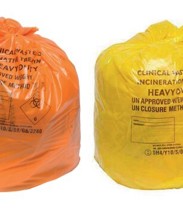
Offensive waste - Tiger bags
(Non-hazardous, soft contaminated)
Offensive waste is produced from the treatment of non-infectious patients and is contaminated with non-infectious body fluids.
- Disposed of via ‘energy from waste’ – diverted from landfill with the phs Lifestyle Cycle Strategy
- Can include non-hazardous gypsum from dental practices
- Must not contain medicines, sharps or infectious waste
- Covered under the Duty of Care regulations
Examples include: Outer dressings, protective clothing (masks, gowns and gloves that are not contaminated with infectious body fluids).

Orange waste stream
Infectious (Hazardous)
Waste produced from the treatment of infectious patients; those suspected of having an infection and waste that is contaminated with body fluids.
- Orange infectious bags must not contain medicines or sharps
- Requires heat treatment prior to disposal to remove any infectious pathogens
- Covered under the hazardous waste regulations
Examples for orange bags: Dressings, swabs, wipes, gloves, masks, aprons, blood bags.
Examples for orange bins: Syringes/needles used in phlebotomy.

Yellow waste stream
Waste items that have been used in the treatment of infectious patients or those suspected of having an infection. They may also be contaminated medicines or chemicals.
Examples for yellow bags: Medicated dressings, iodine dressings, swabs, wipes.
Examples for yellow bins: Medicinal syringes/needles and contrast media.

Purple waste stream
Medically contaminated Infectious (Hazardous)
The purple waste stream covers waste items that have been used in the treatment of infectious patients or those suspected of having an infection. This waste is also contaminated by cytoxic and cytostatic medicines or chemicals.
Cytotoxic and cytostatic medicines are medicines that are either: toxic, carcinogenic, or mutagenic. This waste usually produced from cancer treatments and hormone drugs such as contraceptive devices and botox.
- Requires disposal via high temperature incineration
- Covered under the hazardous waste regulations
Example purple bags: Dressings, swabs, wipes.
Examples for purple bins: Medicinal syringes/needles, contrast media, contraceptive devices, botox.

Blue waste stream
Non-hazardous medicines
Includes waste such as used, unused, expired pharmaceutical products such as drug and vaccines that are no longer required and need to be disposed of appropriately. These are not contaminated with bodily fluids and are not cytotoxic or cytostatic therefore are non-hazardous
- Requires disposal via high temperature incineration
- Controlled drugs must be de-natured prior to collection
- Covered under the Duty of Care Regulations
Examples for blue bins: Some strong painkillers (morphine) tranquilizers, stimulants, methadone.

White waste stream
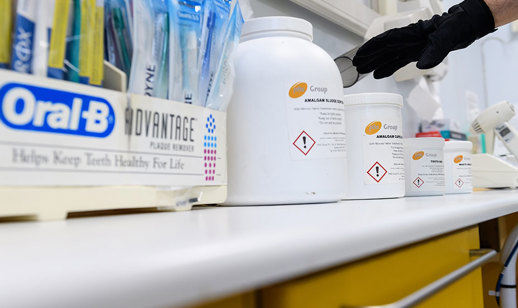
Amalgam Disposal Containers
Fully compliant with Control of Mercury (Enforcement) Regulations 2017 and HTM 07 01 healthcare waste storage requirements. Our containers for amalgam waste storage and disposal are available in a range of sizes depending on the type of treatment and waste. The containers available are for capsules, sludge disposal and teeth extraction.
- Available in 650ml, 1.8 litre and 6 litres
- Air and watertight
- Certified mercury vapour suppressant, removing 95% of vapours

Healthcare legislation and paperwork
Healthcare waste has strict regulations and laws, and processes that need to be followed. Here’s some more information about the paperwork and legislation involved in the storage and collection of waste.
- All movements of waste require a paperwork trail
- These documents are a legal requirement
- Documentation required depends on waste type, and where it’s collected from
- Private households are exempt
- All hazardous waste must be consigned on a Hazardous Waste Consignment Notice (HWCN)
- Non hazardous waste requires a Waste Transfer Note (WTN) also known as a Duty of Care Note
- WTNs are for consignment of non-hazardous waste, eg 18.01.04 and 20.01.99
- Regular waste collections can be covered with a single WTB (an annual note)
- Waste producers require a WTN for each collection if they have varying waste, of different quantities
- WTNs must be kept for a minimum of two years
- All WTN’s must consider the Waste Hierarchy
For each hazardous waste visit, consignee quarterly returns must be provided to either the Environmental Agency or Natural Resources Wales.
The consignment notes will detail the type of waste collected, and the volume of waste.
The same measures apply to Scotland and Northern Ireland. However the bodies that govern are different. For Scotland this is SEPA and for Northern Ireland it's DAERA.
These audits are completed by the healthcare provider to ensure waste is segregated and disposed of correctly. Before any waste is collected, phs has a legal duty to obtain the audit.
Regardless of the type of waste; if it’s from the healthcare sector, a pre acceptance audit is needed.
How often these audits are needed depends on the type of healthcare service and the quantity of waste produced.


How to Implement a Healthcare Waste Management System
Yes. phs operates nationally, with service teams across the UK. Whether you're a single-site GP practice or a multi-site care group, we can cover all your locations under one contract.
No, we can help you through the transition, including assessing your waste streams, supplying the right containers and setting up a collection schedule. There should be no gap in service and no disruption to your day-to-day operations.
Clinical and hazardous waste is taken to a licensed treatment facility where it's either incinerated or treated to make it safe before disposal.
Offensive waste follows a different route, as it's non-hazardous and goes to a permitted landfill or energy recovery facility as part of our lifecycle strategy, turning waste into energy and saving it from landfill.
No. Segregation is a legal requirement. Clinical, sharps, pharmaceutical, offensive and sanitary waste each have their own designated container type and colour code, set out under HTM 07-01.
Mixing waste streams, even accidentally, can create additional hazards and increase your disposal costs. If you're unsure whether your current setup is correct, we can carry out a waste audit.
There's no fixed legal frequency, but waste must not be allowed to accumulate to a level that creates a risk. In practice, most clinical and sharps waste is collected weekly or fortnightly, with higher-volume settings needing more frequent visits. We work with you to set a schedule that keeps you compliant without paying for collections you don't need.