
Eco-Friendly Washroom Solutions: Organic Products and Sustainability

Did you know that single-use sanitary products consist of around 90% plastic? What’s more, up to two billion period products end up being flushed down UK toilets every year. Not only do these wreak havoc on plumbing systems, but they also pollute waterways and cause harm to wildlife.
That’s why many people are now turning to more sustainable alternatives. From organic pads and tampons to reusable pads and period pants, let’s take a look at eco-friendly sanitary solutions and how your business can encourage a more environmentally conscious approach to menstrual products.
What harm can disposable period products cause?
With standard disposable pads containing as much plastic as four carrier bags, and the average menstruator using an estimated average of 11,000 pads and tampons in their lifetime, sanitary products create a vast amount of landfill waste. This waste can take over 1,000 years to decompose, and many period products also contain chemicals that can be harmful to the environment.
The damage becomes even more pronounced when users flush their period products down the toilet, creating blockages, harming marine life, and washing up on beaches. This is just one of the reasons providing adequate sanitary bins in commercial washrooms is so important. The more you can encourage employees, customers, and visitors to bin their pads and tampons rather than flush them, the more you can protect your washroom pipes and the environment.

What sustainable sanitary products are available?
If single-use period products containing harmful chemicals and high levels of plastic are creating so much damage, you may wonder what the best alternatives are. They include:
Organic pads
Organic sanitary pads provide a disposable option that’s free from plastic, fragrances, dyes, and other chemicals. Products like Lil-Lets Organic Pads are vegan-friendly, comfortable, and convenient, with individual wrappers made from compostable cornstarch.
Organic tampons
Like organic pads, organic tampons are single-use period products that provide the convenience of standard options but without the plastic and chemicals. They tend to be available with applicators or as applicator-free versions.
Reusable pads
For those who want to eliminate the waste of disposable sanitary products altogether, there are several reusable options. Reusable pads are made from absorbent fabric. They are placed inside underwear then washed after use.
Period pants
Period pants are another reusable solution, offering leak protection without the need for extra layers. With this type of sanitary product, the absorbent core is built into the underwear itself. Again, you simply wash after wearing, ready for the next cycle.
Menstrual cups
Designed to collect menstrual fluid rather than absorb it, a menstrual cup is usually made from medical-grade silicone and can be washed and reused. You can typically wear a menstrual cup for 4-8 hours before emptying, cleaning, and reinserting.
Pads On A Roll
An ideal solution for washrooms with a high footfall, our Pads On A Roll balance convenience and sustainability. They allow businesses to provide staff and customers in-cubicle access to pads. Because the pads are on a roll, similar to toilet paper, less packaging is required, and users can simply pull and go. We’re also working on transitioning to 100% plant based and organic pads.
Tips for using sustainable sanitary product
Making the switch to sustainable period products can take a bit of getting used to. Here are some handy tips to help you feel comfortable and confident wearing organic or reusable sanitary products.
1. Rinse reusable pads and period pants in cold water before washing
Period pants can be placed in the washing machine with the rest of your laundry, however it’s best to rinse them thoroughly with cold water first as going straight in with hot water can set stains. Once rinsed, follow the manufacturer’s label to make sure you wash them at the right temperature.
2. Choose the right absorbency level for your flow
Organic pads and tampons, reusable pads, and period pants are all available with different absorbencies to cater for different menstrual flows. Opting for more absorbent options on heavier days and less absorbent solutions on lighter days will reduce the risk of leaks and keep you comfortable at all times. It can be helpful to get winged pads for nighttime.
3. Dispose of organic pads and tampons responsibly
While organic pads and tampons are more eco-friendly than standard disposable options, they must still be handled properly after use. Wrap and place them in a refuse bin at home or a sanitary bin when using commercial washrooms, and never flush them down the toilet.
Tips for making your business washrooms more sustainable
If you run a business and are looking to ensure your washrooms follow best sanitary product disposal practices and are as sustainable as possible, here are some tips to help.
- Provide sufficient sanitary bins so that visitors have a suitable place to dispose of used products. There should be one dedicated sanitary bin in every cubicle.
- Make sure sanitary bins are emptied regularly. This keeps your toilet cubicles clean and hygienic while reducing the risk of users flushing their products because the bins are too full.
- Provide sustainable sanitary products (such as organic pads and tampons) for team members so they always have access to more eco-conscious essential hygiene solutions.
- Consider displaying our handy cubicle poster as a friendly reminder to bin used sanitary products rather than flushing them.
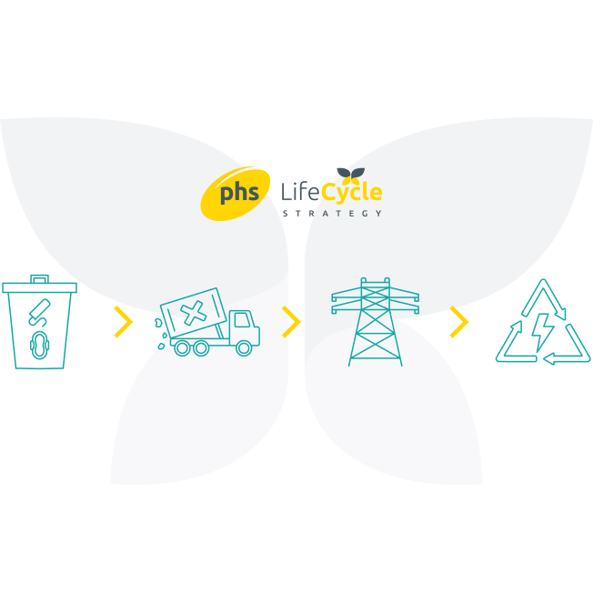
- Partner with a sanitary collection provider who values sustainability. The phs LifeCycle Strategy highlights our commitment to reducing carbon emissions. How? The hygiene waste we collect (which includes sanitary waste), is diverted from landfill, sent instead to state-of-the-art energy-from-waste (EfW) facilities and transformed into energy that can power homes, businesses, and schools.
Sustainable hygiene solutions from phs
phs is the hygiene solutions partner you need if you want to create more sustainable washroom facilities. Explore our sustainable sanitary products, high-quality sanitary bins, and comprehensive range of washroom solutions, and feel free to contact us to discuss your requirements.