
Sustainable Washroom Consumables to Meet Your CSR Goals

Sustainability goals often feel like they're biggest at board level, but some of the most visible changes happen in everyday spaces, and the washroom is a great example of that. It's one of the most regularly used areas in any building, which means the products you choose there can say a lot about your business, and with the amount of water and consumables used in this context, it's an ideal opportunity to put your sustainability efforts into practice.
When you review your washroom setup, it is worth looking beyond basic stock levels. The right sustainable washroom products can help you maintain hygiene standards, reduce waste, and support your wider CSR commitments at the same time.
From recycled paper products to water-saving fittings and durable dispensers, small changes can make a meaningful difference. The key is to choose options that work for your washroom, your users, and your wider sustainability goals.
Why sustainable washroom products matter for CSR goals
If your business is working towards clearer environmental targets, the washroom is a practical place to start. Small changes are easy to notice here, as it's a space where product use is constant, and waste can quickly build up without intervention.
Choosing eco-friendly hygiene products can support your goals around waste reduction and responsible sourcing. It can also show staff and visitors that your business is taking sustainability seriously in day-to-day operations, not just in policy documents.
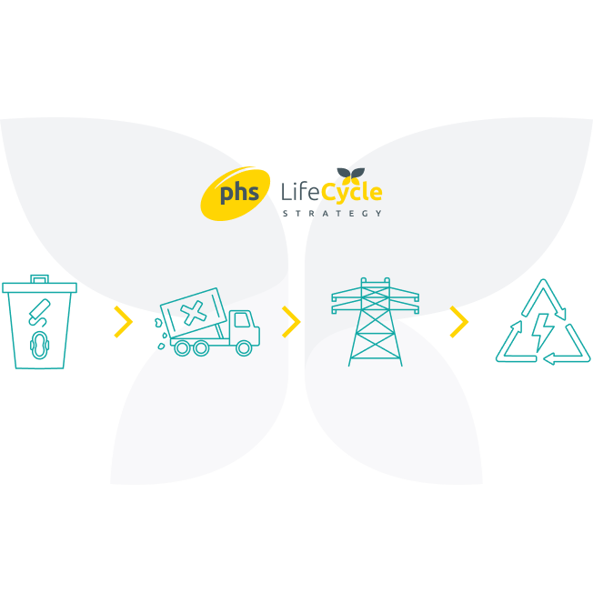
At phs, we see washroom sustainability as part of a wider picture. Through initiatives like our phs LifeCycle Strategy, we focus on helping customers move towards more circular, practical solutions that support both hygiene and environmental responsibility.
Sustainable washroom products to prioritise
A simple starting point is to look at the consumables your washroom uses every day. These are often the easiest products to review, and they can have a noticeable impact over time.
For example, consider swapping out your loo roll for recycled toilet paper. You could also consider stocking your toilets with biodegradable toilet paper, where it suits your environment and servicing setup. Hand towels made from recycled or sustainably sourced fibres could also support your goals, particularly in busy commercial washrooms where paper use is high.
You may also want to review your soap and sanitiser systems. Refill-efficient dispensers can help reduce waste, improve stock control, and make it easier to keep washrooms consistently supplied. Eco cleaning chemicals are another area worth considering, especially if you want your sustainability efforts to go beyond the visible consumables.
At phs, we can also help you explore solutions designed with recycled materials and long-term durability in mind. For businesses looking for practical CSR hygiene solutions, this joined-up thinking can make a big difference in your long-term results.
How washroom hygiene best practice supports sustainability
Sustainability should never come at the expense of hygiene; in fact, the two often go well together in practice.
Good washroom hygiene best practice means keeping facilities clean, well-stocked, and easy to use. It also means choosing products and dispensers that help reduce unnecessary mess, overuse, and avoidable waste. A well-managed washroom is usually a more efficient one.
For example, reliable soap dispensers can help control usage and reduce spills around sinks. High-capacity toilet roll and towel dispensers can cut down on run-outs and reduce the frequency of refills. Durable units can also last longer and support a tidier, more consistent washroom setup.
Water and material-saving changes that support greener washrooms
Washroom sustainability is about much more than paper products and soap; the biggest environmental helpers are to do with your fixtures and fittings, which is why they matter, too.
Low-flow taps, dual-flush toilets, and sensor-operated fittings can all help reduce water consumption without making the washroom harder to use. While replacing your taps or toilets is likely to feel like a big investment, these changes add up over time and save you significant amounts of water in the long run.
It's also worth thinking about durability. Stainless steel dispensers and other hard-wearing fittings can be a strong choice where you need products that stand up to frequent use and still look professional. By using longer-lasting materials you'll also reduce replacement cycles, which will further contribute to your sustainability goals over time.
When these decisions are combined with the right consumables, they can form part of a more complete environmental strategy rather than a series of one-off changes. For more ideas, see our guide to eco-friendly washroom solutions.

Are hand dryers or paper towels better for sustainability?
If you're a business that's focused on sustainability, high-speed hand dryers are often the greener choice overall. They reduce ongoing paper user use and can massively reduce your carbon emissions.
Paper towels may be considered generally more hygienic as each user gets an individual towel, and there's no contamination of a shared machine. However, automatic hand dryers also eliminate this factor.
For businesses that can't afford a high-end hand dryer, paper towels aren't a bad choice if you're able to opt for recyclable, ethically produced options. However, with hygiene and sustainaibility both in mind, a hands-free automatic hand dryer is usually the best solution.
Measuring the impact of your CSR hygiene solutions
If you want your washroom changes to support wider reporting, you'll need to measure what's improved. That might include reduced paper usage, lower water consumption, fewer refill changeovers, or a greater proportion of sustainable washroom products across your site. Even simple indicators can help build a clearer picture of progress.
These measures can then support internal updates, CSR reporting, tender responses, and stakeholder communications. They also make it easier to prove that your sustainability choices are practical, measurable, and linked to overall operational improvements.
See some specific ways you can reach your sustainability goals with our Global Recycling Day 2026 Guide.
Build a more sustainable washroom with phs
Whether you are reviewing toilet tissue, hand-drying options, dispensers, eco cleaning chemicals, or water-saving fittings, the right updates can help you move closer to your environmental goals without compromising on service or user experience.
At phs, we help businesses create washrooms that are practical, professional, and better aligned with modern sustainability expectations. If you're looking for eco-friendly hygiene products and CSR hygiene solutions that work in the real world, we're here to help.